US Consumers Stay Resilient Despite Inflation as Holiday Shopping Season Begins
American households continue spending despite rising living costs, but growing price sensitivity could reshape the 2026 holiday shopping season.
November 22, 2026
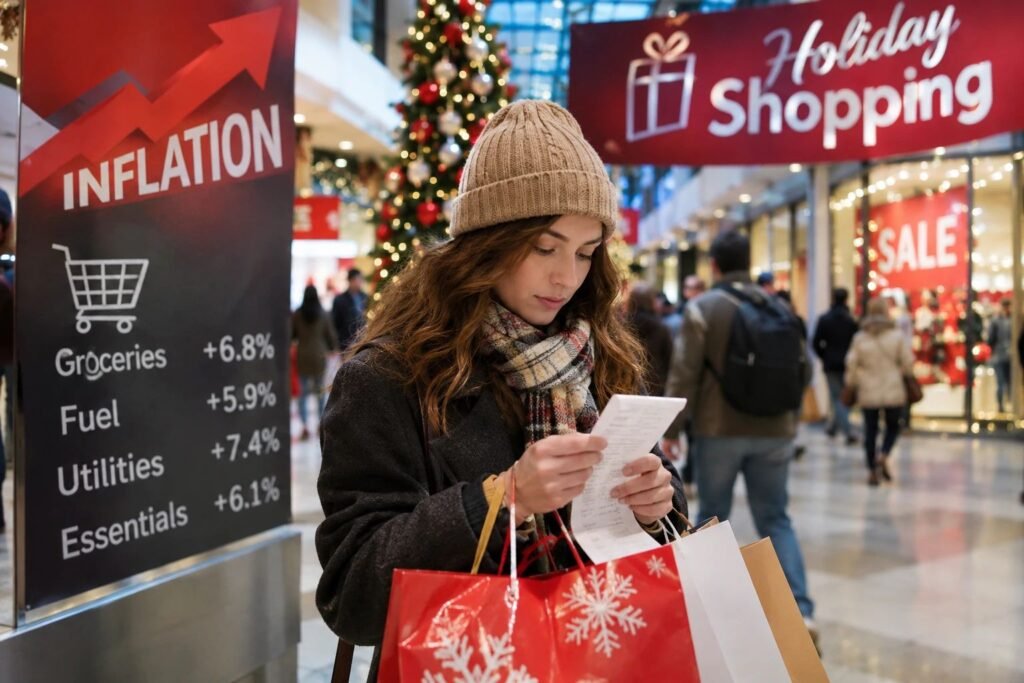
American consumers are demonstrating remarkable spending resilience despite persistent inflation and increasing pressure on household budgets. As the 2026 holiday shopping season gets underway, shoppers across the United States are continuing to purchase goods and services, although many are becoming more selective about how they spend their money.
Higher prices for everyday essentials, including groceries, fuel and household necessities, have created financial challenges for millions of families. Nevertheless, consumer demand has remained relatively strong, offering some reassurance about the health of the world’s largest economy.
Household Spending Remains Strong Amid Economic Pressure
Consumer spending continues to play a central role in supporting economic activity in the United States. Despite concerns about inflation, households have maintained purchasing activity, supported by employment income, wage growth and accumulated financial resources.
Recent economic assessments suggest that spending momentum remains positive, although the strength of consumer demand varies significantly across income groups.
Higher-income households generally have greater financial flexibility, allowing them to maintain discretionary purchases even as prices increase. Meanwhile, lower-income consumers face more difficult decisions as essential expenses absorb a larger portion of their monthly earnings.
This difference highlights the uneven nature of the current economic environment.
Inflation Changes the Way Americans Shop
Although consumers have not abandoned their spending habits, inflation is influencing purchasing decisions.
Many shoppers are increasingly comparing prices, searching for promotional offers and choosing less expensive alternatives. Discount retailers, online marketplaces and stores offering competitive prices could benefit from these changing preferences.
Consumers are also becoming more strategic about the timing of their purchases. Shopping earlier, taking advantage of seasonal discounts and avoiding unnecessary expenses are emerging as important ways to manage household budgets.
The trend suggests that continued spending does not necessarily indicate that Americans are feeling financially comfortable.
Retailers Prepare for a Busy Holiday Season
The holiday shopping period represents a crucial opportunity for American retailers. Businesses are preparing for increased demand as consumers purchase gifts, electronics, clothing, decorations and other seasonal products.
The National Retail Federation expects US holiday retail sales during November and December 2026 to reach approximately $1.013 trillion, representing annual growth of 4.2%.
However, higher prices are expected to contribute to part of the increase in overall sales value. Consequently, stronger revenue figures may not translate into equally strong growth in the number of products purchased.
Retailers are likely to face intense competition as shoppers search for better deals and greater value.
Income Differences Could Shape Holiday Spending
The ability to participate in holiday shopping varies considerably among American households.
Consumers with stronger incomes and greater financial reserves are generally better positioned to absorb higher prices. For households facing tighter financial conditions, holiday purchases may require careful planning and difficult spending compromises.
This divide could influence which retailers and product categories perform best during the season.
Businesses offering affordable products, flexible payment options and attractive promotional campaigns may have an advantage in attracting budget-conscious customers.
Economic Outlook: Consumer Confidence Remains Important
The resilience of American consumers is an encouraging signal for businesses and policymakers. Household spending supports retail activity, employment and broader economic growth.
Nevertheless, inflation remains an important risk. If everyday expenses continue rising faster than household incomes, consumers could eventually reduce discretionary purchases.
For now, the holiday season is beginning with a combination of continued spending and increased financial caution.
The coming weeks will provide a clearer picture of whether consumer demand can maintain its momentum despite persistent economic pressures.
Ultimately, America’s 2026 holiday shopping season may be defined not simply by how much consumers spend, but by how carefully they manage every dollar.