Trump’s UN Diplomacy Puts Iran, Cuba and Ukraine at Center of Global Attention
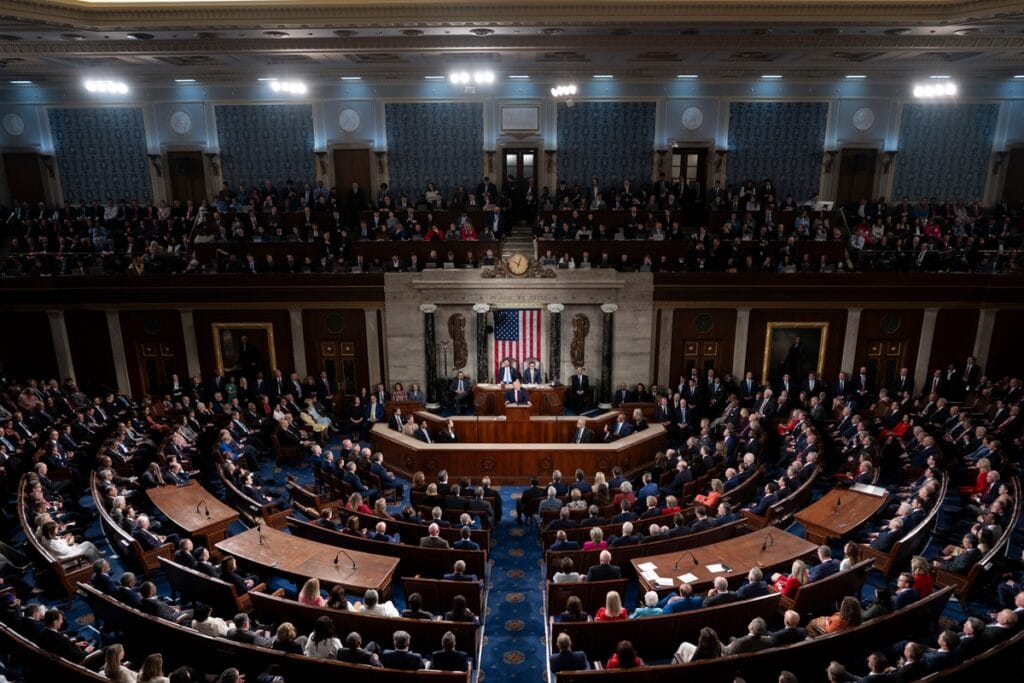
New York/Washington: U.S. President Donald Trump used his latest appearance at the United Nations General Assembly to outline a forceful approach to several major international disputes, while his diplomatic agenda quickly shifted toward high-level engagement with China.
Trump delivered particularly strong warnings toward Iran, saying Washington could take extreme military action if an agreement is not reached. At the same time, he indicated that negotiations remain possible, creating a combination of military pressure and an opening for diplomacy. Reports said U.S. and Iranian officials subsequently held talks, although details of the discussions were limited.
Iran was not the only country to come under criticism. Trump also sharply attacked Cuba and its government during his address. Representatives of both Iran and Cuba left the proceedings during portions of the speech, according to reports.
Arctic Security Becomes a Major Diplomatic Development
Alongside his confrontational remarks about U.S. adversaries, Trump arrived at the UN with a significant new security agreement involving Denmark and Greenland.
The United States, Denmark and Greenland signed an agreement designed to expand U.S. security and military access in Greenland while reaffirming the territory’s status within the Kingdom of Denmark. The deal provides Washington with expanded strategic access in the Arctic and is linked to broader concerns about security in the region.
The agreement represents an important development in U.S.-Danish-Greenlandic relations after prolonged disagreements over Greenland’s strategic future.
Ukraine Remains a Difficult Diplomatic Challenge
The war involving Russia and Ukraine also remained part of Trump’s international agenda. Trump has continued to express confidence that negotiations can eventually produce an agreement to end the conflict, although major differences remain unresolved.
Questions surrounding U.S. military assistance, ammunition supplies and missile-defense capabilities for Ukraine continue to complicate discussions surrounding a potential settlement.
The issue remains one of the most closely watched elements of Trump’s broader foreign-policy agenda as Washington balances negotiations, military support and relations with European partners.
Attention Turns Toward Xi Jinping
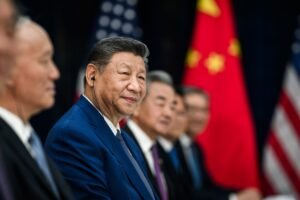
After the UN meetings, diplomatic attention shifted toward Chinese President Xi Jinping’s state visit to Washington.
The White House has confirmed that Trump and First Lady Melania Trump are scheduled to welcome Xi and Peng Liyuan for an official state visit, including a state arrival ceremony and dinner at the White House. The visit marks a significant high-level engagement between the two countries.
The meeting comes as Washington and Beijing continue to manage disagreements involving trade, technology, security and broader strategic competition. The presence of senior political and business figures at events surrounding the visit is expected to add an economic and commercial dimension to the diplomatic discussions.
Trump’s latest UN appearance therefore combined warnings toward countries with which Washington has major disputes, new security arrangements in the Arctic and preparations for direct engagement with China’s leadership.
The developments underline the wide range of challenges confronting U.S. diplomacy, from conflicts in the Middle East and Europe to strategic competition in the Arctic and Indo-Pacific.