Serbia Calls Snap Parliamentary Election for October 25 Amid Prolonged Protests
BELGRADE — Serbia has called an early parliamentary election for October 25, 2026, setting the stage for a major political contest after months of demonstrations and growing pressure on President Aleksandar Vučić’s government.
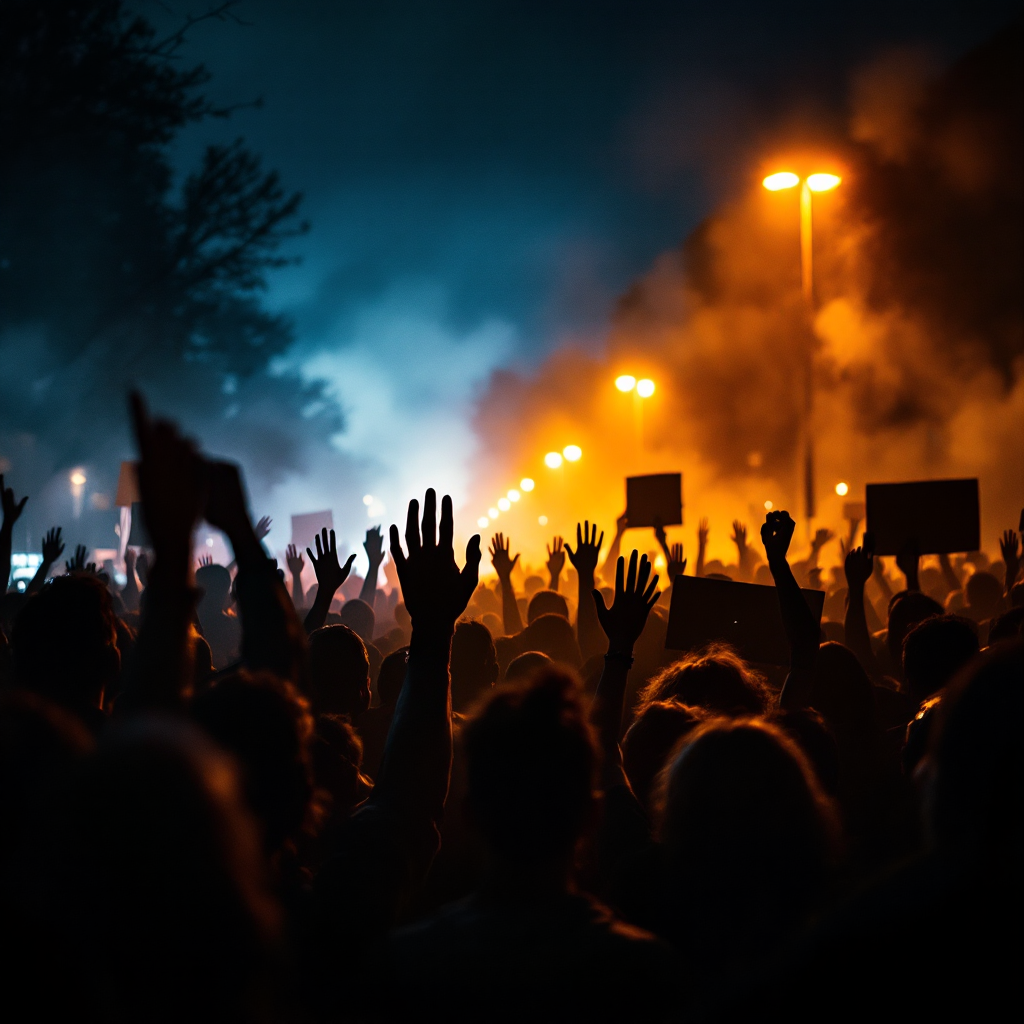
Vučić announced the election as the country continues to experience widespread protests that began after the deadly collapse of a railway station canopy in Novi Sad in 2024. The disaster killed 16 people and became a catalyst for demonstrations demanding accountability and political reforms.
The upcoming vote is expected to be one of the most significant political tests for Vučić since he became Serbia’s dominant political figure. Student-led groups and other opposition forces have increasingly challenged the ruling Serbian Progressive Party amid accusations of corruption and demands for greater government accountability.
Vučić cannot seek another presidential term and has indicated that he intends to pursue the position of prime minister instead. His move would allow him to remain at the centre of Serbia’s political system while seeking a new mandate through parliament.
The protests have continued for nearly two years, with students playing a prominent role in organising demonstrations. The movement has expanded beyond university campuses and attracted academics, professionals and other groups calling for institutional reforms.
The election will also be closely watched because of Serbia’s long-running effort to join the European Union. The country’s relations with Russia and China, together with concerns about media freedom and the rule of law, have remained important issues in its relationship with Brussels.
Opposition groups are expected to focus their campaign on corruption, judicial independence, media freedom and government accountability. Their ability to translate the protest movement into an effective electoral campaign could determine how competitive the October vote becomes.
For Vučić and his political allies, the election provides an opportunity to seek a fresh parliamentary mandate and potentially reset the political situation after months of unrest. For the opposition, it represents a chance to turn sustained street mobilisation into electoral gains.
With voting scheduled for October 25, Serbia is now entering a politically charged campaign period that could significantly influence the country’s domestic direction and its future relationship with the European Union.




