Trump Keeps Iran Policy in Limbo as Middle East Diplomacy Faces New Uncertainty
WASHINGTON, November 23, 2026 — US President Donald Trump is facing growing pressure to clarify his strategy toward Iran as diplomatic efforts continue amid regional tensions, economic uncertainty and the political consequences of the Republican Party’s disappointing performance in the midterm elections.
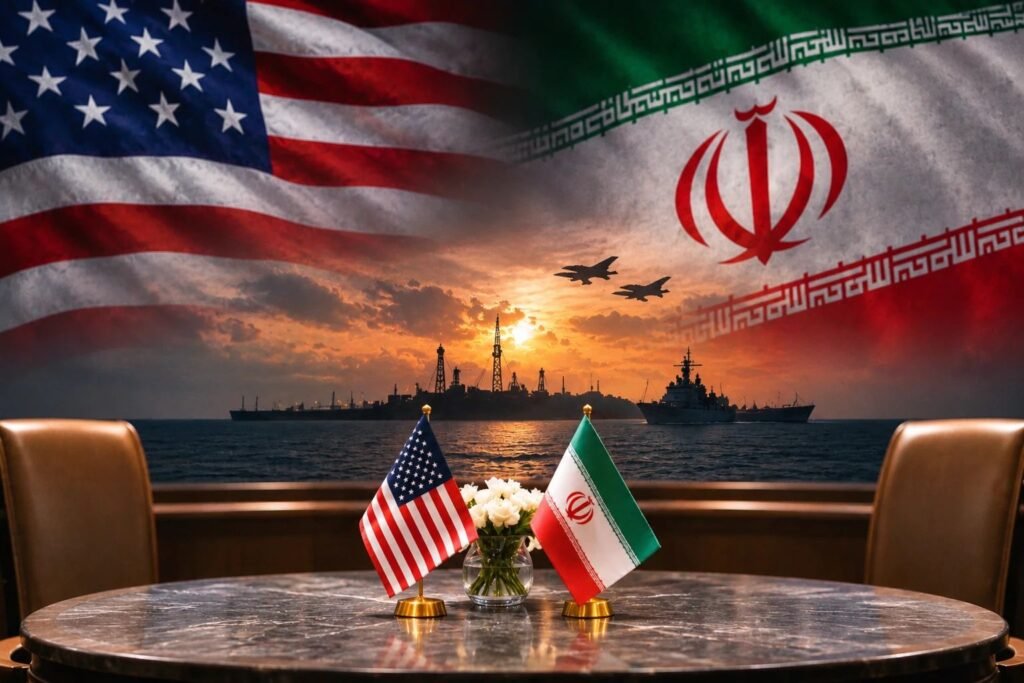
The White House is balancing several competing priorities, including preventing Iran from advancing its nuclear capabilities, protecting American interests in the Middle East and avoiding another prolonged military confrontation.
Trump has recently indicated that Washington is not rushing into another major military operation against Tehran. Instead, his administration appears increasingly willing to maintain economic pressure while leaving diplomatic channels open.
The changing approach has created uncertainty among regional allies and international observers, particularly as negotiations have yet to produce a comprehensive agreement.
Iran Conflict Creates Political Challenges for Trump
The confrontation with Iran has become a significant political issue for the Trump administration.
The conflict has continued for months, creating financial pressure through higher energy prices, disruptions to international shipping and uncertainty across global markets.
Republicans suffered major setbacks in the November midterm elections, with voters expressing dissatisfaction over economic conditions and the administration’s handling of foreign policy.
Trump acknowledged that the Iran conflict contributed to his party’s poor electoral performance, although he continued defending the military campaign as necessary for American national security.
The election results have increased pressure on the president to demonstrate that his approach can deliver tangible results without exposing the United States to another expensive and prolonged war.
Washington Considers Economic Pressure Instead of Further Military Action
Rather than immediately ordering additional strikes, the Trump administration has increasingly emphasized economic restrictions and maritime pressure against Iran.
US officials argue that sanctions and restrictions on Iranian oil exports are weakening Tehran’s financial position and limiting its ability to support military activities.
Secretary of State Marco Rubio has defended this approach, suggesting that economic pressure could reduce the need for another round of military operations.
The administration’s strategy reflects an attempt to maintain leverage without committing American forces to a new escalation.
However, the effectiveness of this approach remains uncertain. Tehran has shown little indication that it is prepared to accept all Washington’s demands, particularly those involving its nuclear programme and regional security interests.
Qatar and Arab Countries Push for Diplomatic Progress
Regional governments are increasingly concerned about the consequences of an extended confrontation between Washington and Tehran.
Qatar has continued playing an important intermediary role, seeking to bring both sides closer to an interim understanding that could restore stability and improve maritime security.
Gulf Arab countries have strong economic and security interests in preventing further escalation. The Strait of Hormuz remains particularly important because it connects major energy-producing countries with international markets.
Any prolonged disruption to shipping through the waterway could affect oil supplies, transportation costs and global economic confidence.
Saudi Arabia, the United Arab Emirates, Bahrain and other regional partners are therefore watching Washington’s decisions closely.
For these governments, a diplomatic agreement would need to provide more than a temporary pause in military activity. They also want stronger guarantees against attacks on civilian infrastructure, energy facilities and international shipping routes.
Nuclear Disagreements Remain a Major Obstacle
Despite continuing diplomatic contacts, the nuclear issue remains one of the biggest barriers to a settlement.
Washington wants meaningful restrictions and assurances regarding Iran’s nuclear activities. Tehran, meanwhile, has maintained that it is willing to consider diplomacy but expects its own conditions to be addressed.
Iranian representatives have indicated that diplomatic engagement remains possible, while warning that renewed attacks would receive a strong response.
These competing positions make a comprehensive agreement difficult to achieve.
The United States is also reluctant to offer concessions without receiving clear commitments from Iran, leaving negotiations dependent on whether both sides can identify mutually acceptable conditions.
Republican Midterm Losses Could Influence Foreign Policy
The Republican Party’s electoral setbacks have introduced another important dimension to the Iran issue.
Democrats are preparing to exercise greater influence in Congress, potentially increasing investigations and scrutiny of the administration’s military decisions.
Although the president retains significant authority over foreign policy and military operations, congressional opposition could complicate efforts to secure funding and political support for an extended confrontation.
The election outcome has also exposed disagreements within Trump’s political movement over the costs of overseas military involvement.
Some Republican supporters have questioned whether the Iran campaign is consistent with the president’s earlier promises to avoid unnecessary foreign wars.
This political pressure could encourage the administration to pursue a diplomatic outcome, although it does not guarantee that military escalation has been ruled out.
Global Markets Remain Sensitive to Middle East Developments
The uncertainty surrounding Iran is extending beyond regional politics.
Energy markets, shipping companies and international investors are closely monitoring developments around the Persian Gulf.
Any renewed military confrontation could increase oil prices, disrupt maritime transportation and create additional inflationary pressure across major economies.
For countries dependent on imported energy, prolonged instability could increase the cost of fuel, manufacturing and transportation.
The Strait of Hormuz is therefore not simply a regional security concern. Its stability has direct consequences for the wider international economy.
What Happens Next?
Trump’s next decisions could determine whether the Middle East moves closer to a negotiated settlement or remains trapped in a prolonged period of uncertainty.
Washington appears interested in maintaining economic pressure while allowing diplomatic intermediaries to continue their work. However, major disagreements over nuclear restrictions, sanctions and maritime security remain unresolved.
Regional governments are likely to continue encouraging dialogue because another military escalation could threaten their economies and security.
For Trump, the challenge is equally political and strategic: he must demonstrate that his administration can protect American interests without allowing the Iran conflict to become an even greater domestic and international burden.
As the year approaches its final weeks, attention will remain focused on the White House, Tehran and regional diplomatic efforts. Whether negotiations produce meaningful progress or remain stalled will have significant implications for Middle East security and the global economy in 2027.