Trump Rejects Iran Peace Proposal, Warns Military Action Could Resume
U.S. President Donald Trump has rejected Iran’s latest proposal aimed at easing the confrontation between Washington and Tehran, saying the terms offered by Iran do not meet the conditions his administration now considers necessary.
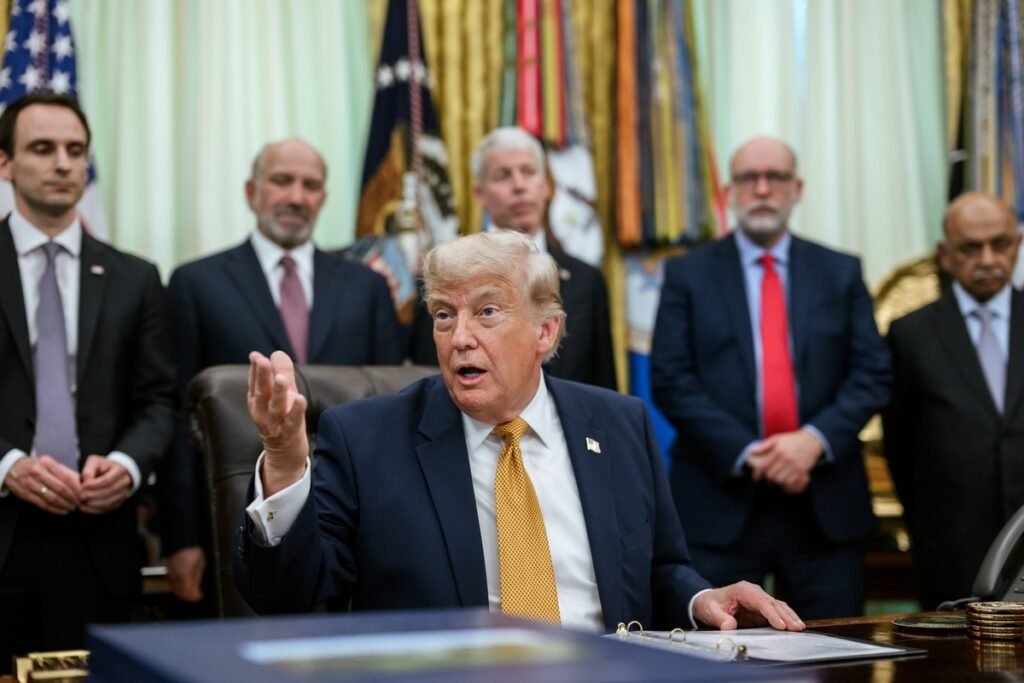
The development has added fresh uncertainty to diplomatic efforts surrounding the prolonged U.S.-Iran conflict. Iran had proposed steps involving the reopening of the strategically important Strait of Hormuz and the revival of negotiations, but Trump said the proposal was insufficient.
Trump also indicated that the possibility of renewed large-scale U.S. military action against Iran remains open. In comments published this week, he said military operations could potentially intensify after the November 3 U.S. midterm elections if an acceptable agreement is not reached.
The U.S. administration has continued to apply economic pressure on Tehran. Washington has announced additional sanctions targeting parts of Iran’s automotive and rail sectors, including major Iranian automobile manufacturers and companies involved in supplying related materials and components.
At the centre of the dispute is the Strait of Hormuz, one of the world’s most important energy shipping routes. Disruption in the waterway has created concerns over international energy supplies and contributed to wider economic uncertainty.
Iran, meanwhile, has continued to signal that it remains open to diplomacy while maintaining its own conditions for any broader agreement. Iranian officials have sought negotiations through diplomatic channels, although significant differences remain between Tehran and Washington over sanctions, security guarantees and Iran’s nuclear programme.
The situation is also being closely watched by countries across the Gulf. The United States has increased military preparations in the region, including additional defensive systems intended to protect strategic energy infrastructure in Saudi Arabia and Qatar.
The diplomatic deadlock comes as both sides face pressure to determine the next phase of the conflict. Washington is demanding broader commitments from Tehran, while Iran has continued to seek relief from sanctions and a framework for renewed negotiations.
For now, there is no confirmed comprehensive peace agreement between the two countries. The rejection of the latest proposal means diplomatic efforts remain uncertain, while the possibility of renewed military confrontation continues to influence political and economic calculations across the Middle East.