Yemen Warns of Regional Security Risks, Says Lasting Peace Depends on a Stable Yemen
MANAMA, November 1, 2026: Yemen has issued a strong warning about the growing security challenges facing the Middle East, stressing that lasting peace and regional stability cannot be achieved without restoring security and stability inside the country.
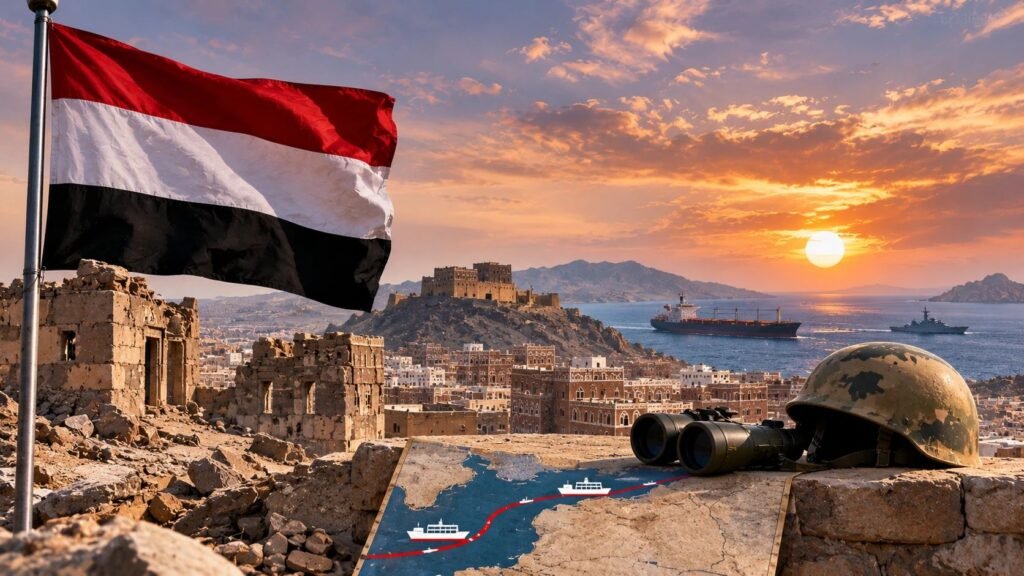
Speaking at the Manama Dialogue 2026 in Bahrain, Yemen’s Foreign Minister Dr Afrah Abdulaziz Al-Zouba called on regional and international partners to support the restoration of Yemeni state institutions and strengthen the country’s ability to protect its territory and coastline.
She highlighted how Yemen’s prolonged political and security crisis has increasingly affected neighbouring countries, maritime transportation and international commercial interests.
Yemen’s Internal Crisis Has Wider Regional Consequences
The foreign minister explained that instability within Yemen is no longer an isolated domestic issue. Its consequences are spreading across the region, particularly through security threats affecting important maritime routes.
She argued that a stronger national government and effective state institutions are essential for preventing further instability.
According to Al-Zouba, international support should focus on practical measures that address the underlying causes of the conflict rather than temporary political arrangements.
Four Priorities for Regional Security
During her address, the minister outlined four major priorities for establishing sustainable security across the region.
These include protecting national sovereignty, strengthening government institutions, encouraging diplomacy and dialogue, and adopting a broader approach to security that includes economic development, energy supplies and food security.
She also emphasised the importance of protecting civilians, preventing illegal weapons transfers and strengthening cooperation against terrorism and smuggling networks.
Red Sea and Bab el-Mandeb Routes Remain a Major Concern
One of the central issues raised during the discussion was maritime security.
Yemen occupies a strategically important position near the Red Sea and the Bab el-Mandeb Strait, a major international shipping passage connecting the Red Sea with the Gulf of Aden.
The foreign minister warned that threats to these waterways could affect international trade, supply chains and the economies of countries dependent on maritime transportation.
She stressed that protecting shipping routes requires addressing security problems inside Yemen, improving coastal protection and preventing armed groups from threatening commercial vessels.
Call for Action on Taiz and Civilian Protection
Al-Zouba also raised concerns about the humanitarian situation in Taiz, calling for the removal of restrictions affecting civilians and the safe reopening of roads.
She urged the international community to support investigations into reports concerning the alleged use of projectiles suspected of containing toxic substances.
The minister further warned that repeated attacks affecting Aden airport could threaten civilian aviation and humanitarian assistance.
Yemen Seeks International Cooperation
Concluding her address, the foreign minister said Yemen was seeking international support to rebuild state institutions, strengthen national capabilities and restore government authority.
She emphasised that Yemen’s stability would benefit not only its own population but also neighbouring countries and the wider international community.
The message from Manama was clear: regional security cannot be separated from Yemen’s future. Without a stable government, secure borders and protected maritime routes, achieving lasting peace across the Middle East will remain a significant challenge.