Trump Issues Sharp Warning to Iran Over Strait of Hormuz as Tensions Escalate
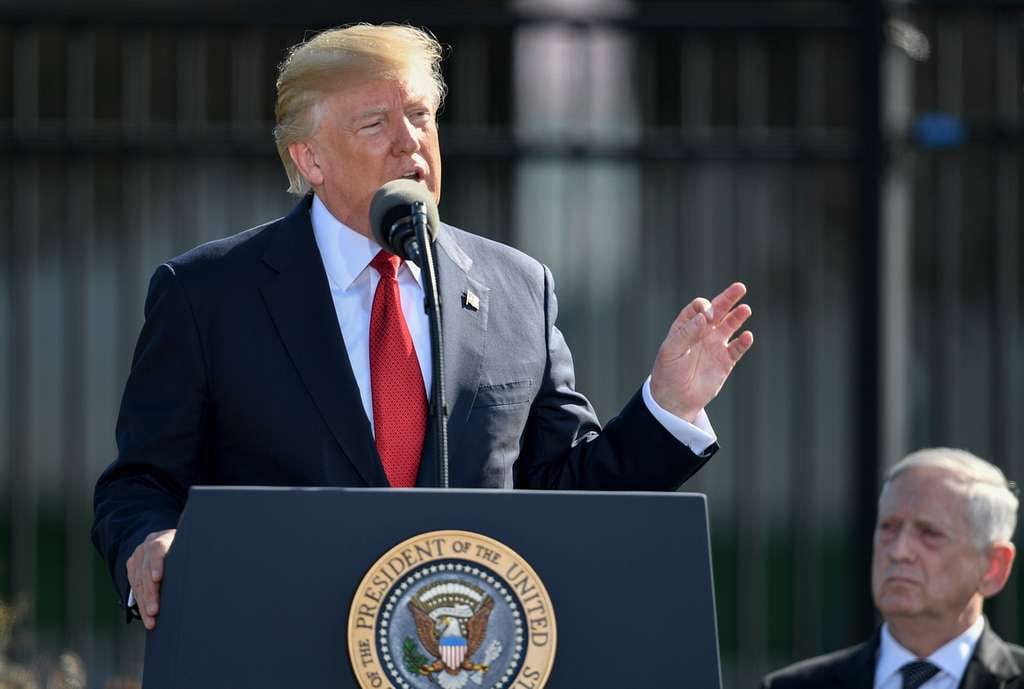
Washington, June 21, 2026 — U.S. President Donald Trump has delivered one of his strongest warnings yet to Iran, cautioning Iranian negotiators against any attempt to close the strategically vital Strait of Hormuz, a key global shipping route for oil and energy supplies.
Speaking amid ongoing diplomatic efforts between Washington and Tehran, Trump reportedly told Iranian officials that the United States would respond decisively if the waterway were shut down. According to multiple reports published on June 21, Trump warned that Iran could face severe consequences and suggested that the U.S. could even “take over” the strait if necessary to keep global shipping lanes open.
The comments came as negotiations continued in Switzerland, where American and Iranian representatives have been working to stabilize a fragile ceasefire and address broader regional security concerns. Despite signs of diplomatic engagement, the Strait of Hormuz remains a major flashpoint in relations between the two countries.
The Strait of Hormuz is considered one of the world’s most important maritime chokepoints, carrying a significant share of global oil exports. Any disruption to traffic through the narrow waterway has the potential to affect international energy markets, shipping costs, and global economic stability.
Recent reports indicate that U.S. military forces have been actively monitoring the area to ensure freedom of navigation and the continued movement of commercial vessels. American officials have emphasized that international shipping must remain uninterrupted despite rising regional tensions.
Trump’s latest remarks underscore the high stakes surrounding the Strait of Hormuz and reflect Washington’s determination to prevent any actions that could threaten global trade routes. While diplomatic talks continue, the exchange highlights the fragile nature of U.S.-Iran relations and the possibility of renewed confrontation if negotiations fail.
As governments and energy markets closely monitor developments, the future of the Strait of Hormuz remains a critical factor in Middle East security and the stability of global energy supplies. The outcome of current negotiations could play a decisive role in determining whether tensions ease or escalate further in the weeks ahead.