Two Suspected Ebola Cases in Nigeria Test Negative as Health Authorities Continue Monitoring
YOLA, Nigeria — November 1, 2026
Nigeria’s public health authorities have confirmed that two individuals identified as suspected Ebola cases in the northeastern state of Adamawa have tested negative following two rounds of laboratory testing. The update has eased immediate concerns about a possible spread of the virus in the region, although national health surveillance efforts remain ongoing.
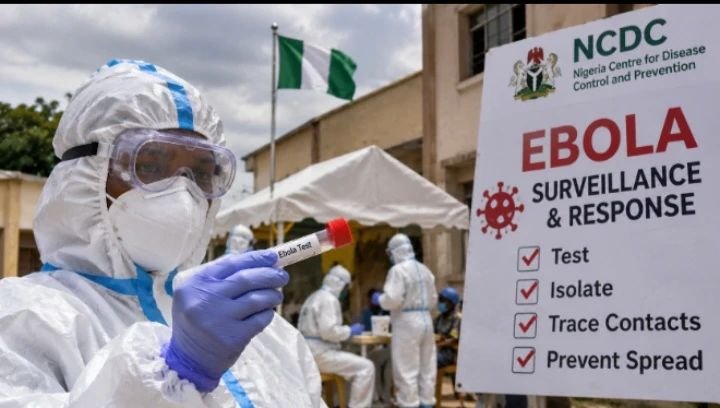
The Nigeria Centre for Disease Control and Prevention (NCDC) said the individuals were identified in Yola after health officials received a report of illnesses involving symptoms that required investigation. Both people were promptly isolated, and samples were collected for laboratory analysis.
According to the NCDC, the results from two rounds of testing were negative for Ebola virus disease. The agency clarified that there is currently no laboratory-confirmed Ebola case in Adamawa State.
The development follows Nigeria’s confirmation of an imported Ebola case involving a woman who had travelled from Uganda to Abuja. The patient was subsequently evacuated to Switzerland, while authorities began monitoring people who may have had contact with her.
Health officials have emphasised that the two Adamawa cases should not be confused with confirmed infections. The NCDC has urged the public to remain calm, avoid circulating unverified reports and follow information released through official public health channels.
The situation remains significant because the Bundibugyo strain of Ebola has been associated with an ongoing outbreak in parts of Africa. Countries in the region have strengthened surveillance, contact tracing and infection-prevention measures to reduce the risk of further transmission.
Public health authorities continue to stress the importance of early medical assessment for people experiencing symptoms that could indicate a serious infection, particularly when there is a relevant travel or exposure history. People should seek professional medical advice rather than attempting self-treatment.
For now, the negative results from Adamawa provide reassuring news. Nevertheless, Nigeria’s health agencies are continuing to monitor the situation and coordinate with state authorities as part of efforts to protect communities and prevent any potential spread.