African Economies Expected to Maintain High Interest Rates Through Year-End Amid Fed Policy Uncertainty
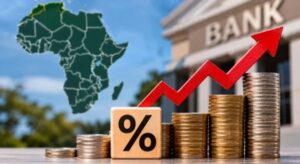
NAIROBI, November 17, 2026 — Several African economies are expected to end 2026 with elevated interest rates as central banks remain cautious about inflation, currency stability and potential financial risks arising from US Federal Reserve policy.
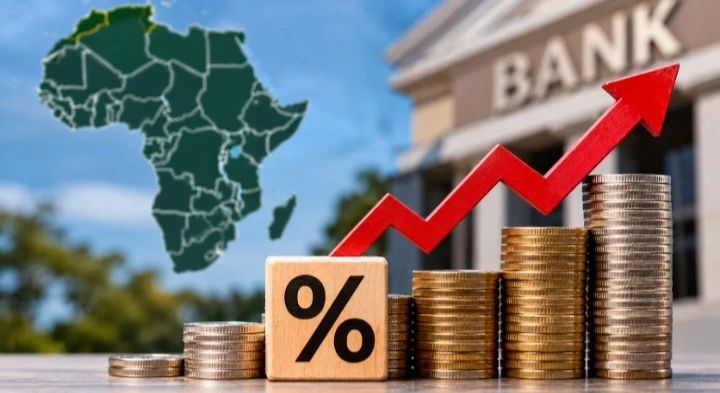
Monetary authorities across the continent face increasing pressure to balance economic growth with the need to maintain financial stability. Uncertainty surrounding US interest rates could influence capital flows, exchange rates and borrowing costs in emerging markets.
A stronger US dollar and tighter global financial conditions could increase pressure on African currencies, making imports and foreign debt repayments more expensive.
Several central banks have therefore maintained restrictive monetary policies to contain inflation and protect their currencies.
Higher borrowing costs are also creating challenges for businesses and households. Companies face increased financing expenses, potentially delaying investment and expansion, while consumers may struggle with more expensive loans.
The impact varies across African economies, depending on inflation levels, currency performance and domestic economic conditions.
Countries with weaker currencies and greater exposure to foreign debt remain particularly vulnerable to changes in international financial markets.
Despite these challenges, Africa’s economic outlook continues to show resilience, supported by infrastructure investment, regional trade and expanding industrial activity.
However, persistent inflation, expensive credit and external financial uncertainty could limit economic growth in several countries.
As the year approaches its conclusion, African central banks are expected to remain cautious, with future interest-rate decisions depending on inflation trends, currency stability and developments in US monetary policy.
The balance between controlling inflation and supporting economic growth will remain a major challenge for African policymakers heading into 2027.