Trump Says Russia Will Not Attack NATO as Questions Grow Over Rare CIA Visit to Moscow
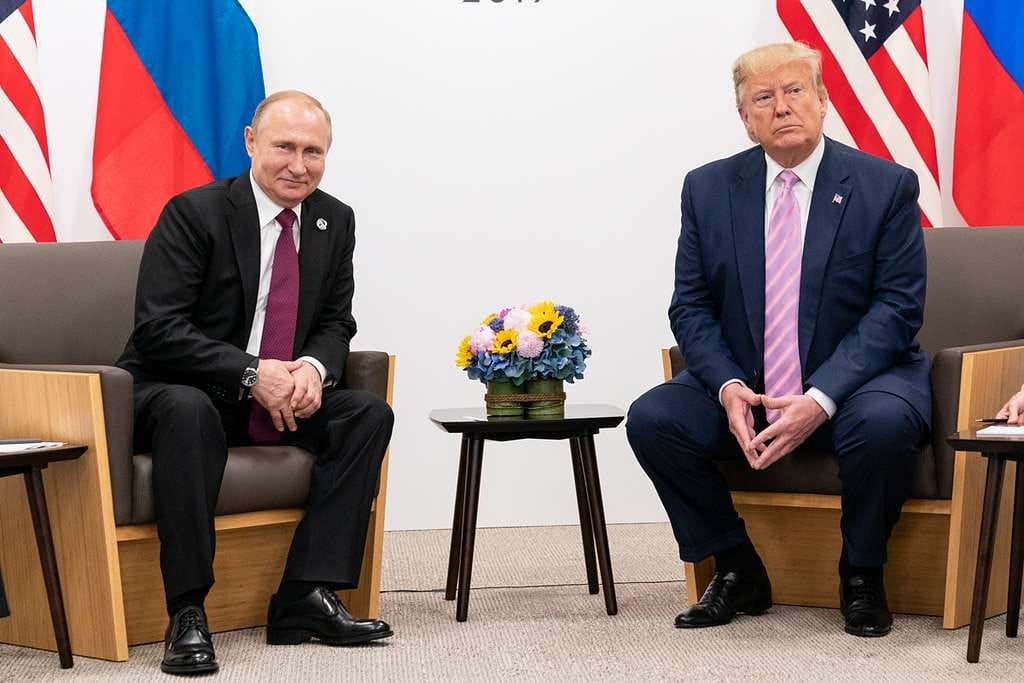
Washington, August 28, 2026: U.S. President Donald Trump has said he does not expect Russia to attack any NATO member, offering reassurance amid renewed attention to Moscow’s military intentions and a rare visit to Russia by CIA Director John Ratcliffe.
Trump made the comments on August 27 while speaking to reporters at the White House and in a separate interview with Axios. He said he had held good discussions with Russian President Vladimir Putin and expressed confidence that Russia would not attack NATO territory.
The remarks came as speculation intensified over Ratcliffe’s recent trip to Moscow and the wider security situation surrounding Russia, Ukraine and NATO.
Trump Rejects Immediate NATO Attack Concerns
Trump strongly dismissed the possibility of Russia launching an attack against a NATO country.
His comments were notable because NATO members have remained closely focused on Russia’s military activity since Moscow’s full-scale invasion of Ukraine.
Trump said he was not worried about a Russian attack on the alliance and indicated that he did not believe there was an immediate threat.
The statement provides a different assessment from some recent media reports suggesting that U.S. intelligence officials have been monitoring potential risks to NATO members.
CIA Director’s Moscow Trip Draws Attention
The president’s comments followed a rare visit to Moscow by CIA Director John Ratcliffe.
Russia’s Foreign Intelligence Service chief Sergei Naryshkin confirmed that he met Ratcliffe during the visit. Naryshkin described the meeting as a working-level discussion involving sensitive issues handled by intelligence agencies.
The meeting was significant because senior U.S. intelligence officials rarely travel to Russia amid the continuing war in Ukraine.
Some U.S. media reports suggested that Ratcliffe may have communicated concerns about a potential Russian attack on NATO members. However, Trump rejected the suggestion that the CIA director had been sent to Moscow specifically to deliver such a warning.
Moscow Also Downplays the Situation
The Kremlin has rejected reports suggesting that Russia is preparing to attack NATO.
Russian officials described reports about a possible NATO attack as exaggerated and said the Moscow meeting between Ratcliffe and Naryshkin was not unusual from an intelligence perspective.
Naryshkin also characterized the discussion as part of normal communication between intelligence services.
The Kremlin’s position is that Russia’s military objectives remain focused on the Ukraine conflict rather than preparing for a direct confrontation with NATO.
Ukraine War Remains at the Centre
Despite the reassuring statements from Washington and Moscow, the war in Ukraine continues.
Russian and Ukrainian forces remain engaged in attacks involving drones, missiles and other long-range weapons.
The continuing conflict has created wider security concerns across Europe, particularly among countries located close to Russia and Ukraine.
European governments have strengthened military preparedness since Russia launched its full-scale invasion of Ukraine in 2022.
NATO’s Article 5 Is a Major Deterrent
One reason a direct Russian attack on NATO would represent a dramatic escalation is the alliance’s collective-defence principle.
Under Article 5 of the NATO treaty, an armed attack against one member is treated as an attack against all members.
This does not mean that every NATO response must take exactly the same military form, but it creates a powerful collective security commitment.
The possibility of triggering this mechanism is one of the central reasons a direct Russia-NATO conflict would carry enormous geopolitical risks.
NATO Secretary General Mark Rutte has repeatedly emphasized that the alliance is defensive and that its members are prepared to respond if attacked.
European Countries Remain Watchful
Trump’s comments may reassure some observers, but European governments continue monitoring Russian military activity and potential hybrid threats.
European and U.S. intelligence agencies have for years examined allegations involving sabotage, cyber operations, disinformation campaigns and other activities that fall below the threshold of conventional warfare.
These activities can create tensions without necessarily leading to a direct military confrontation.
Reuters reported that U.S. and European intelligence officials have continued monitoring Russian activity that could weaken NATO unity or test the alliance’s response.
Concerns About NATO’s Military Resources
Another issue attracting attention is the pressure on NATO’s available air-defence resources.
The continuing war in Ukraine, combined with the U.S. military’s involvement in the Middle East conflict, has placed additional demands on certain missile-interceptor stocks.
Recent reporting has raised concerns about the availability of Patriot missile interceptors in Europe, although the Pentagon has disputed descriptions of the situation as a critical shortage.
The debate highlights the broader challenge facing NATO: maintaining sufficient defensive capacity while supporting partners involved in active conflicts.
Trump Wants the Ukraine War to End
Trump has repeatedly stated that ending the Russia-Ukraine war is one of his foreign-policy priorities.
The rare communication between U.S. and Russian intelligence officials therefore comes at a time when diplomatic efforts remain important but difficult.
Trump has also continued to emphasize his relationship with Putin and his belief that negotiations can eventually produce progress.
However, major disagreements between Russia and Ukraine remain unresolved, including territorial issues and security guarantees.
Why the Moscow Meeting Matters
Even though both Washington and Moscow have described the CIA-SVR meeting as routine, the timing gives it wider significance.
A direct meeting between senior intelligence officials can provide a channel for discussing sensitive security issues away from public diplomatic exchanges.
Such channels can sometimes help reduce the risk of misunderstandings, especially when military forces from rival countries operate close to one another.
At the same time, the lack of publicly disclosed details means it is difficult to determine exactly what was discussed.
A Message of Reassurance, Not a Guarantee
Trump’s statement that Russia will not attack NATO territory is a political assessment rather than a binding treaty or formal agreement.
The president said he had confidence in Putin’s intentions, but the broader security environment remains unpredictable.
Russia continues its war in Ukraine, while NATO continues strengthening its eastern defences and supporting Kyiv.
For European governments, the immediate objective remains preventing the Ukraine conflict from expanding into a direct confrontation between Russia and the NATO alliance.
What Happens Next?
The coming weeks will show whether the latest U.S.-Russia intelligence contact contributes to broader diplomatic progress.
If communication between Washington and Moscow expands, it could potentially create additional opportunities for discussing Ukraine and wider European security.
If tensions rise again, however, NATO governments are likely to remain highly alert to any Russian military activity near alliance territory.
For now, Trump’s message is clear: he does not believe Russia intends to attack NATO.
But with the Ukraine war continuing and military tensions remaining high across Europe, governments on both sides of the Atlantic are unlikely to stop preparing for a range of possible scenarios.
Note: Reports concerning intelligence discussions and potential military intentions should be treated cautiously because many details remain classified or have not been independently confirmed.