Yemen’s Southern Forces Shift Military Positions as Houthi Fighters Gain Ground Near Aden
ADEN, November 15, 2026 – Yemen’s southern government-aligned forces have begun withdrawing from strategic military positions near the Bab al-Mandab Strait as growing Houthi advances increase pressure on government-controlled areas in the country’s south.
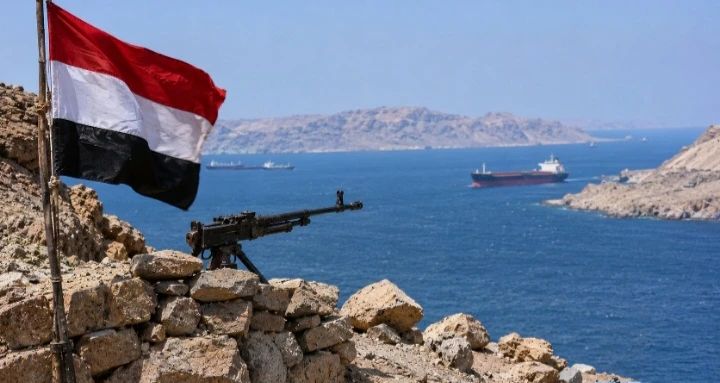
The military redeployment comes at a critical time for Yemen, where renewed fighting has raised concerns about the security of Aden and the strategically important maritime corridor connecting the Red Sea with the Gulf of Aden.
In an announcement published on Sunday, the Southern Armed Forces confirmed that their troops were being withdrawn from Dhubab Airport and nearby positions in western Taiz province.
The forces said the decision was based on changing battlefield conditions and the need to strengthen defensive positions around Aden and neighbouring provinces.
Military Strategy Shifts Towards Aden
According to the military statement, the withdrawal is part of a broader effort to reorganise troop deployments and establish stronger defensive lines against advancing Houthi fighters.
The southern forces described the move as a military adjustment rather than an end to their campaign against the Houthi movement.
A military source told Xinhua that protecting Aden and neighbouring Lahj province had become an immediate priority.
The source also explained that the redeployment was intended to prevent Houthi fighters from surrounding government positions and disrupting military movements across southern Yemen.
Houthi Advances Create New Challenges
The latest withdrawal follows Houthi advances in Lahj province, where fighters reportedly captured several strategic positions overlooking important routes leading towards Aden and the Bab al-Mandab Strait.
These developments have increased pressure on government-aligned forces and created fresh challenges for the Saudi-led coalition-backed offensive launched in October to regain territory from the Houthis.
The changing military situation has forced southern forces to reconsider their deployments and concentrate their resources on protecting important locations.
Bab al-Mandab Strait Remains a Strategic Concern
The Bab al-Mandab Strait is one of the world’s most important maritime chokepoints. It connects the Red Sea with the Gulf of Aden and provides a vital shipping route for international trade between Asia and Europe through the Suez Canal.
Any serious disruption to maritime traffic in this area could affect international shipping, increase transportation costs and create wider economic consequences.
The growing military tensions near the strait have therefore attracted attention beyond Yemen, particularly among countries dependent on international maritime trade.
Regional Tensions Add to Security Concerns
The latest developments are also unfolding amid wider regional tensions and repeated Houthi attacks targeting Saudi oil and military facilities.
Saudi Arabia has played a major role in Yemen’s conflict since leading a military intervention in 2015 in support of the internationally recognised government.
Further escalation in southern Yemen could complicate regional security arrangements and make diplomatic efforts to end the conflict more difficult.
Yemen’s Conflict Continues
Yemen has been experiencing prolonged instability since late 2014, when Houthi forces seized the capital, Sanaa, and expanded their control across much of the country’s northern territory.
The subsequent military intervention by a Saudi-led coalition in 2015 intensified the conflict, which has continued to create serious humanitarian and economic challenges.
Millions of Yemenis have faced displacement, food insecurity and limited access to essential services during the prolonged crisis.
The latest withdrawal near Bab al-Mandab highlights the continuing uncertainty surrounding Yemen’s military situation. With government-aligned forces focusing on the defence of Aden and Houthi fighters making advances in strategic areas, southern Yemen remains a major flashpoint in the country’s ongoing conflict.