Russia, Iran and Qatar Strengthen Diplomatic Ties Amid Rising Middle East Tensions
Moscow, October 28, 2026
Russia has stepped up diplomatic engagement with Iran and Qatar as tensions in the Middle East continue to threaten regional security and international energy supplies. Russian President Vladimir Putin held separate meetings with Iranian President Masoud Pezeshkian and Qatari Emir Sheikh Tamim bin Hamad Al Thani in Moscow on October alongside the eighth summit of the Gas Exporting Countries Forum.
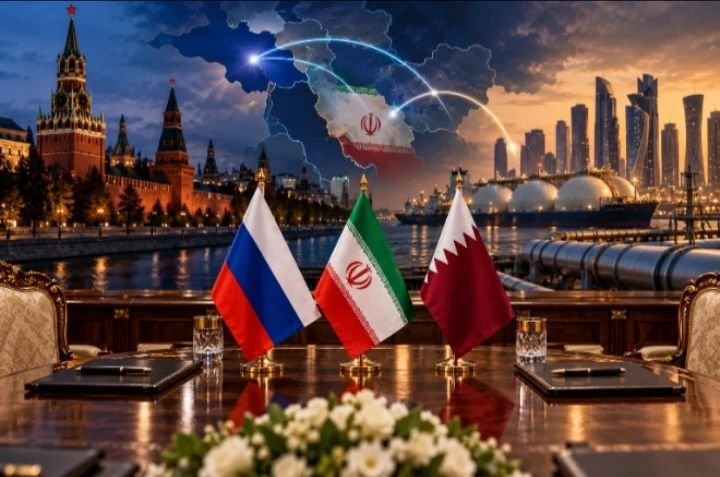
The discussions focused on regional instability, economic cooperation, and the importance of maintaining reliable energy supplies. The meetings also highlighted the growing diplomatic importance of countries seeking alternatives to US-led approaches to resolving regional disputes.
Iran Calls for Regional Solutions Without US Involvement
During his meeting with Putin, Iranian President Masoud Pezeshkian argued that countries in the Middle East should be capable of resolving their own disputes without depending on Washington.
Pezeshkian also called for closer cooperation between Tehran and Moscow in economic, scientific, industrial, security, and other areas. Putin expressed concern about the regional situation and said Russia intended to continue meeting its commitments under joint projects with Iran.
The Russian president also noted that bilateral trade had increased during the first eight months of 2026, underlining the economic dimension of their relationship.
Qatar Pushes for Diplomacy and Stability
Putin’s discussions with Qatar’s emir focused on relations between the two countries, energy-market coordination, and the search for diplomatic solutions to regional conflicts.
Qatar has played an important role in mediation efforts involving Iran and the United States. Its diplomatic engagement is particularly significant because instability around the Strait of Hormuz can disrupt a major route for international energy shipments.
The Qatari leadership has also emphasised the need to reduce regional tensions and protect the movement of energy supplies.
Energy Security Remains a Major Concern
Russia, Iran, and Qatar are important participants in international energy markets. Their discussions come at a time when conflict and uncertainty in the Middle East are raising concerns about supply disruptions, transport routes, and potential economic consequences.
Any prolonged interruption to shipping through the Strait of Hormuz could affect energy prices and increase pressure on countries that depend heavily on imported fuel.
However, the meetings did not establish a new regional peace agreement, and significant disagreements among the countries involved in the wider conflict remain unresolved.
What the Meetings Could Mean
The Moscow talks demonstrate that Russia is seeking to maintain its influence in Middle Eastern diplomacy while Iran and Qatar pursue their respective political and economic priorities.
Whether these contacts produce tangible progress will depend on further negotiations, commitments from the parties involved, and developments on the ground.
For now, the discussions signal continued diplomatic activity at a time when regional stability and energy security remain major international concerns.