
Fear Beyond the Virus: How Ebola Outbreaks Disrupt Essential Healthcare for Mothers and Children
The most overlooked consequence of Ebola outbreaks is not only the virus itself but the collapse of routine healthcare. When fear keeps pregnant women, children, and chronically ill patients away from hospitals, preventable deaths can rise even if they never contract Ebola. Strengthening public trust, ensuring safe healthcare facilities, and maintaining essential medical services are just as critical as containing the virus. A resilient health system must be able to fight epidemics while continuing to provide lifesaving care for every patient.
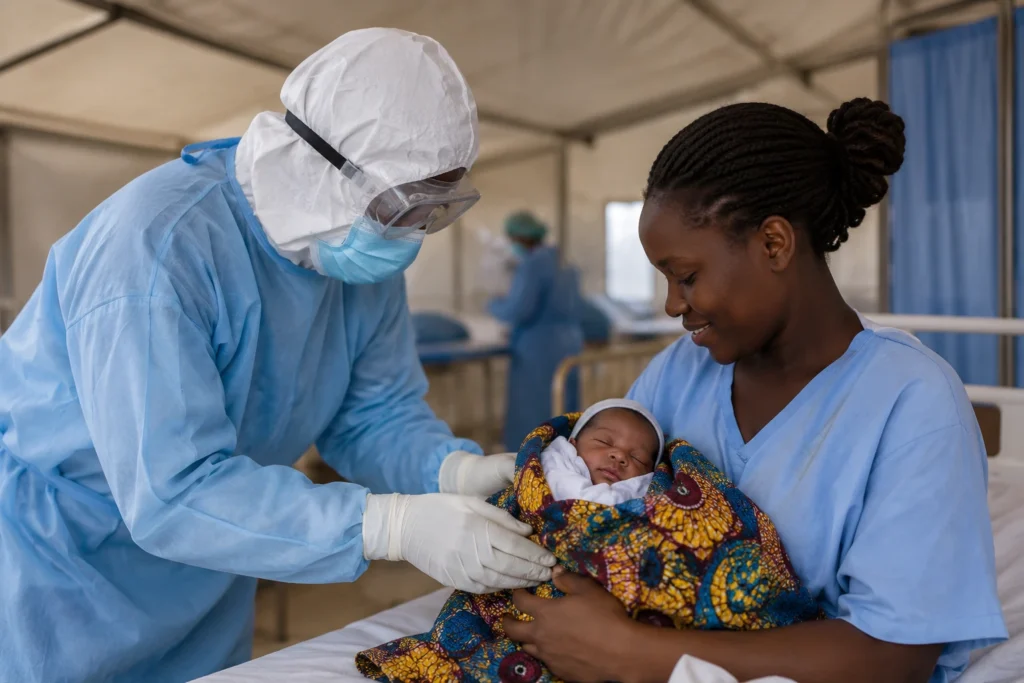
An Ebola outbreak is often measured by the number of infections and deaths it causes, but its hidden impact extends far beyond those statistics. When fear spreads through communities, hospitals and clinics can become places people avoid rather than places they seek for help. This silent healthcare crisis has been witnessed repeatedly during Ebola outbreaks in the Democratic Republic of the Congo (DRC), where many families delayed or abandoned essential medical care despite needing urgent treatment.
Healthcare workers on the front lines have described how dramatically patient numbers changed once the outbreak was officially declared. According to Dr. Lokudu Richard of Mongbwalu Hospital, the facility previously treated around 500 patients every month. After authorities announced the Bundibugyo Ebola virus outbreak, attendance collapsed almost overnight. Instead of coming to hospitals for routine care, people stayed away out of fear that they could become infected or be isolated from their families.
This pattern highlights one of the greatest challenges during infectious disease emergencies. The virus itself is dangerous, but misinformation, rumors, and fear can create an equally devastating public health emergency. Pregnant women postpone antenatal check-ups, parents avoid taking sick children for treatment, and patients suffering from chronic illnesses stop visiting health facilities. As a result, preventable diseases can claim additional lives even among people who never contract Ebola.
The Ripple Effect of Fear
Ebola is one of the world’s most severe viral diseases. It spreads through direct contact with infected bodily fluids, making strict infection prevention measures essential. However, during outbreaks many community members begin associating every hospital with Ebola treatment. Some fear they will be diagnosed incorrectly, while others worry they will never return home if admitted.
These concerns often discourage families from seeking even basic healthcare services. Immunization programs may slow down, childhood illnesses remain untreated, and women experiencing pregnancy complications may delay seeking professional care. The decline in hospital visits creates a secondary health crisis that is much harder to measure than confirmed Ebola cases.
Healthcare professionals emphasize that hospitals continue providing services for all patients while maintaining strict infection-control procedures. Nevertheless, restoring public confidence remains one of the most difficult tasks during an outbreak.
Mothers Face Difficult Choices
Pregnancy does not pause during an epidemic. Every day, expectant mothers must decide whether to deliver their babies at home or seek professional medical care despite widespread fear.
For many women, the decision can be agonizing. Delivering at home may increase the risk of complications for both mother and child, yet visiting a hospital may seem frightening because of concerns about Ebola.
One mother, Asobe, chose courage over fear. She decided to give birth in a hospital despite the ongoing outbreak.
Reflecting on her experience, she explained that she and her family came to the hospital with determination. The medical staff welcomed them warmly, the treatment was provided free of charge, and both she and her newborn survived safely. Her story demonstrates that trusted healthcare services remain essential even during major disease outbreaks.
Her experience also sends an important message to other families: hospitals can continue to provide safe maternity care while implementing measures to protect patients from infectious diseases.
Children at Greater Risk
Children are among the most vulnerable victims of disrupted healthcare systems. Many childhood illnesses—including malaria, pneumonia, diarrhea, and malnutrition—require prompt medical attention. Delays in treatment can quickly become life-threatening.
When parents hesitate to visit health centres because of Ebola fears, children may suffer the consequences. Routine vaccination campaigns can also be interrupted, increasing the risk of outbreaks of measles and other vaccine-preventable diseases.
Public health experts stress that maintaining child healthcare services during epidemics is just as important as controlling the outbreak itself. Protecting children requires ensuring that parents trust health facilities enough to seek care whenever it is needed.
Supporting Frontline Healthcare Workers
Doctors, nurses, laboratory technicians, ambulance teams, and community health workers shoulder enormous responsibilities during Ebola outbreaks. They must diagnose suspected cases, treat patients with other illnesses, educate communities, and protect themselves from infection—all under intense pressure.
Strict safety protocols, including protective equipment, patient screening, hygiene measures, and isolation procedures, are essential for preventing transmission within healthcare settings. Continuous training helps medical teams respond effectively while maintaining routine medical services.
Frontline workers also play a critical role in community engagement. By listening to local concerns and explaining safety measures, they can help rebuild confidence in healthcare facilities.
Community Trust Is Essential
Disease control depends not only on medical treatment but also on public cooperation. Communities that trust health authorities are more likely to report symptoms early, follow prevention guidelines, and continue using healthcare services for routine medical needs.
Clear communication is therefore one of the strongest tools available during an outbreak. Authorities and healthcare providers must provide timely, accurate information while addressing rumors and misinformation that may discourage people from seeking care.
Community leaders, religious organizations, and local volunteers often become valuable partners in spreading trusted health messages and encouraging families to continue accessing essential services.
Lessons for Future Outbreaks
The experience in the Democratic Republic of the Congo illustrates that epidemic preparedness must extend beyond emergency response. Health systems need strategies to ensure maternity care, child health services, immunizations, and treatment for chronic diseases continue even during infectious disease crises.
Governments and international health organizations are increasingly focusing on resilient healthcare systems capable of managing outbreaks without disrupting routine medical care. Investments in infection prevention, community education, surveillance, and healthcare infrastructure can reduce both the direct and indirect consequences of future epidemics.
Looking Ahead
Every Ebola outbreak reminds the world that protecting public health involves much more than stopping a virus. It requires preserving trust, ensuring access to essential healthcare, and supporting the healthcare workers who continue serving their communities despite extraordinary challenges.
Stories like Asobe’s demonstrate that courage, compassionate medical care, and effective public health measures can overcome fear. When communities feel confident that hospitals remain safe places for treatment, mothers can deliver their babies safely, children can receive life-saving care, and healthcare systems become stronger in the face of future emergencies.
Ultimately, the fight against Ebola is not only about containing an infectious disease—it is about ensuring that no family is forced to choose between fear and the healthcare they desperately need.