Suspected Revenge Attack in Kenya Leaves Nine Dead as Inter-Community Tensions Escalate
NAIROBI, KENYA: A deadly overnight attack in northern Kenya has heightened security concerns after several people were killed in suspected retaliatory violence linked to an earlier dispute over grazing land.
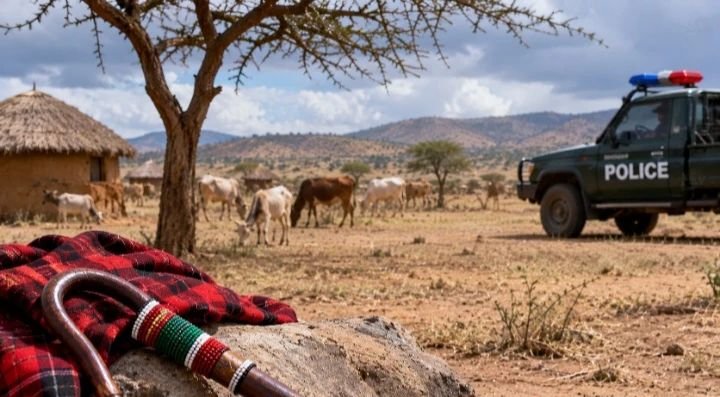
The attack took place in Janju village near Madogashe, along the Isiolo-Garissa border, an area where livestock farming plays an important role in local livelihoods.
Initial reports indicated that nine people had been killed. However, regional police officials confirmed at least eight deaths and warned that the toll could rise.
The incident has raised fears of renewed clashes between neighbouring communities, prompting security authorities to deploy additional personnel to the affected region.
Grazing Dispute Suspected Behind the Violence
Preliminary police assessments suggest that the killings may be connected to an earlier disagreement over grazing fields.
Competition over pasture and water resources has periodically contributed to tensions in parts of northern Kenya, where pastoralist communities depend heavily on livestock.
Authorities are investigating whether the latest attack was organised as retaliation for earlier violence involving herders in the region.
Investigators have not established the identities of all those responsible.
Women and Children Among the Victims
Local reporting indicated that the victims included a mother, her 14-day-old baby and a 10-year-old child.
The deaths have intensified concerns about the impact of retaliatory violence on vulnerable civilians, particularly women and children who are not directly involved in local disputes.
The reported loss of such young lives has also increased calls for stronger protection of communities living in the affected border areas.
Livestock Theft Adds to Regional Tensions
The attackers reportedly stole dozens of livestock during the incident.
Livestock represents an important source of income, food security and financial stability for families in the region.
The theft has therefore added another dimension to the security crisis, potentially increasing economic hardship and deepening mistrust between neighbouring communities.
Authorities are working to investigate the reported thefts and prevent further violence.
Security Forces Deployed to Prevent Further Attacks
Eastern Regional Police Commander Stephene Chebet confirmed that security teams had been sent to the affected area.
Their immediate responsibilities include investigating the killings, identifying suspects, conducting patrols and preventing possible retaliatory attacks.
Additional police deployments have also been reported in surrounding areas following other suspected revenge killings.
Security officials are concerned that isolated incidents could develop into a wider cycle of inter-community violence if tensions are not brought under control.
Calls for Peace and Stronger Government Action
Local leaders have condemned the violence and called for urgent intervention by security agencies.
Community representatives are expected to play an important role in reducing tensions through dialogue and cooperation with local authorities.
Long-term stability will also require addressing underlying problems involving access to grazing land, livestock theft, competition over natural resources and limited security coverage in remote settlements.
A Growing Challenge for Northern Kenya
The latest incident highlights the continuing security difficulties facing parts of northern Kenya.
Communities in the region frequently depend on shared grazing areas and water sources, making resource disputes particularly sensitive.
Without effective conflict-resolution mechanisms, isolated confrontations can trigger retaliatory attacks and place entire communities at risk.
Authorities now face the challenge of bringing those responsible to justice while preventing further violence and restoring confidence among residents.
The priority remains protecting civilians, recovering stolen livestock and ensuring that local disputes do not escalate into prolonged inter-community conflict.