Trump Says Iran Wants a Deal as US-Iran Negotiations Continue Amid Rising Tensions
WASHINGTON, United States — November 1, 2026
US President Donald Trump has said that Iran wants to reach an agreement with Washington, describing ongoing negotiations as progressing well while expressing doubts about Tehran’s reliability. His remarks come as diplomatic efforts intensify to prevent another escalation in the conflict involving Iran, the United States and Israel.
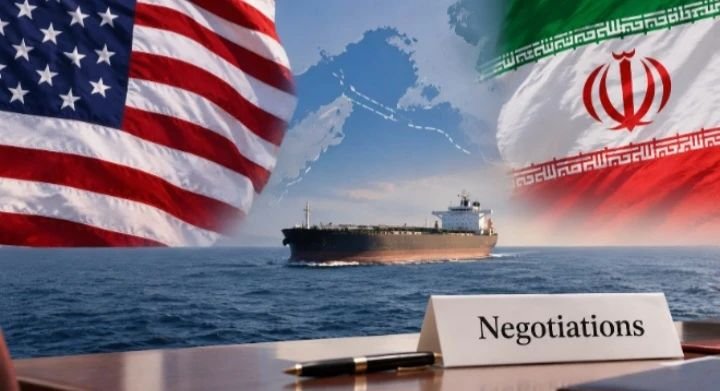
Speaking to reporters at his Mar-a-Lago residence in Florida on Saturday, October 31, Trump said discussions with Iran were “going fine”. However, he warned that Washington would remain cautious because, in his view, Tehran had previously agreed to arrangements and then withdrawn from them.
The US president also indicated that he was not under immediate pressure to conclude an agreement, suggesting that Washington would take time to evaluate Iran’s intentions.
Qatar Continues Mediation Efforts
Qatar has become a key intermediary in the latest diplomatic initiative. Iranian representatives travelled to Doha on Saturday for further discussions with Qatari mediators following more than 12 hours of talks in Tehran the previous day.
According to people familiar with the negotiations, the discussions are being coordinated through regular communication with Washington.
The diplomatic effort aims to identify a possible framework for ending the conflict and restoring stability to the Gulf region. However, major differences between the two countries remain unresolved.
Iran Proposes Reopening the Strait of Hormuz
Iranian Foreign Minister Abbas Araghchi has presented a proposal under which the strategically important Strait of Hormuz could be reopened within two days if the United States accepts Tehran’s conditions.
The proposal is linked to broader demands involving the US blockade of Iranian ports, economic sanctions, frozen Iranian assets and arrangements for maritime navigation.
The Strait of Hormuz is a critical international shipping corridor through which a substantial share of the world’s oil and gas supplies normally passes.
Any agreement to restore normal commercial shipping could help ease pressure on energy markets, reduce uncertainty for shipping companies and improve regional economic stability.
However, Washington has not publicly accepted Iran’s conditions, and the proposed reopening timeline is not a confirmed agreement.
Military Options Remain on the Table
Despite the renewed diplomatic activity, the possibility of further military action has not been ruled out.
US Secretary of State Marco Rubio said President Trump had not made a final decision about launching additional strikes against Iran. He stressed that the administration preferred a diplomatic solution but retained the ability to respond militarily if necessary.
Trump also declined to provide a clear answer when asked whether Washington could resume military operations in the coming days.
Meanwhile, Iran’s Supreme Leader Mojtaba Khamenei has instructed the country’s armed forces to remain prepared for a strong response to any renewed attack. Tehran has warned that American and Israeli interests in the region could be targeted if hostilities resume.
Global Markets Watch the Negotiations
The developments are being closely monitored by international energy markets and shipping companies.
Continued disruption around the Strait of Hormuz could affect oil transportation, shipping insurance, fuel prices and supply chains. Countries that depend heavily on imported energy are particularly vulnerable to prolonged instability in the region.
A successful diplomatic agreement could therefore have consequences well beyond the Middle East.
No Final Agreement Yet
For now, the negotiations remain at an uncertain stage. Trump’s comments indicate that Washington is willing to continue discussions, but his criticism of Iran suggests that significant mistrust remains between the two governments.
Qatar’s mediation efforts may provide an opportunity to narrow differences, particularly over maritime access and economic restrictions. Nevertheless, the two sides must still agree on the sequence of steps required to move towards a broader settlement.
The coming days could prove important for regional diplomacy. Whether the latest talks lead to a lasting agreement or another period of confrontation will depend on the willingness of both Washington and Tehran to make compromises.