18 Arab and Islamic Countries Condemn Israeli Airstrike on Gaza Hospital, Demand Protection for Civilians
Foreign ministers from 18 Arab and Islamic countries have strongly condemned an Israeli airstrike on Nasser Medical Complex in Khan Younis, southern Gaza, calling for the protection of medical facilities, healthcare workers and civilians.
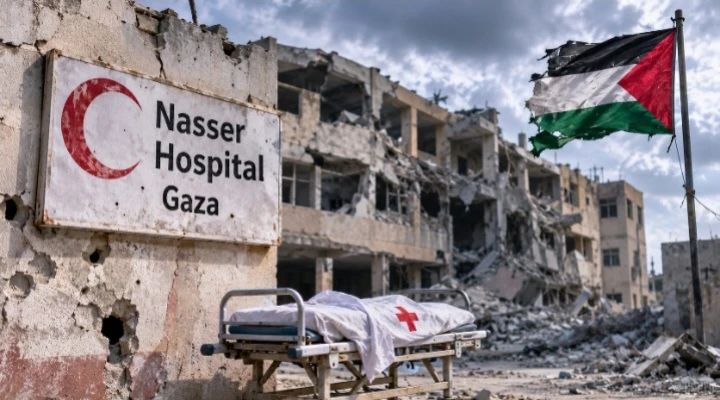
In a joint statement issued on November 14, 2026, the countries expressed serious concern over the reported casualties among patients and medical personnel following the attack.
The ministers described the strike as a violation of international humanitarian law, which provides special protection to hospitals, medical facilities and healthcare workers during armed conflicts.
The joint declaration reflects growing regional concern over the humanitarian situation in Gaza and the need to protect essential civilian infrastructure.
18 Countries Express Strong Opposition
The joint statement was supported by foreign ministers from the following countries:
Saudi Arabia, Jordan, the United Arab Emirates, Qatar, Kuwait, Lebanon, Egypt, Algeria, Palestine, Libya, Mauritania, Djibouti, Somalia, Türkiye, Pakistan, Indonesia, Sudan and Oman.
The participating countries called for greater international efforts to prevent further attacks on civilians and protect essential humanitarian services.
Concerns Over Continued Attacks on Civilians
The ministers also condemned reported attacks on Palestinian civilians, including strikes affecting tents and other locations sheltering displaced families.
They warned that such incidents could undermine the ceasefire and weaken international efforts to restore security and stability in Gaza.
The statement emphasised that civilians must be protected and that humanitarian principles should be respected by all parties.
Humanitarian Crisis Raises Further Alarm
The 18 countries expressed deep concern over restrictions affecting the entry of humanitarian assistance, shelter materials and medical supplies into Gaza.
With winter approaching, shortages of adequate housing, clean water, sanitation facilities and healthcare services are creating additional risks for vulnerable communities.
Children, infants and elderly people are particularly exposed to the dangers associated with inadequate shelter and freezing temperatures.
The ministers called for increased deliveries of food, medicines, temporary shelters and essential relief materials.
Call for Immediate Implementation of Ceasefire Commitments
The foreign ministers urged Israel to fulfil its obligations under the Sharm El-Sheikh Agreement, the Comprehensive Plan to End the Gaza Conflict and United Nations Security Council Resolution 2803 (2025).
They called for the protection of civilians and medical facilities, alongside safe, sustained and unrestricted humanitarian access.
The statement also stressed that United Nations agencies and international humanitarian organisations must be allowed to carry out their work without obstruction.
International Community Urged to Take Action
The participating countries called on the United States and the Board of Peace to intensify their efforts to ensure the implementation of existing commitments and the removal of restrictions on humanitarian assistance.
They emphasised that urgent humanitarian needs should be addressed immediately rather than being delayed by negotiations over subsequent phases of the peace process.
Regional Cooperation for Peace and Stability
The 18 countries reaffirmed their commitment to working with regional and international partners to strengthen the ceasefire, advance the proposed peace plan and expand humanitarian assistance.
The latest joint declaration highlights the importance of international diplomatic engagement in addressing the Gaza crisis.
As the humanitarian situation remains a major concern, protecting hospitals, safeguarding civilians and ensuring uninterrupted relief deliveries remain essential priorities for achieving lasting peace and stability in the region.